Immigration Consequences You Need to Know
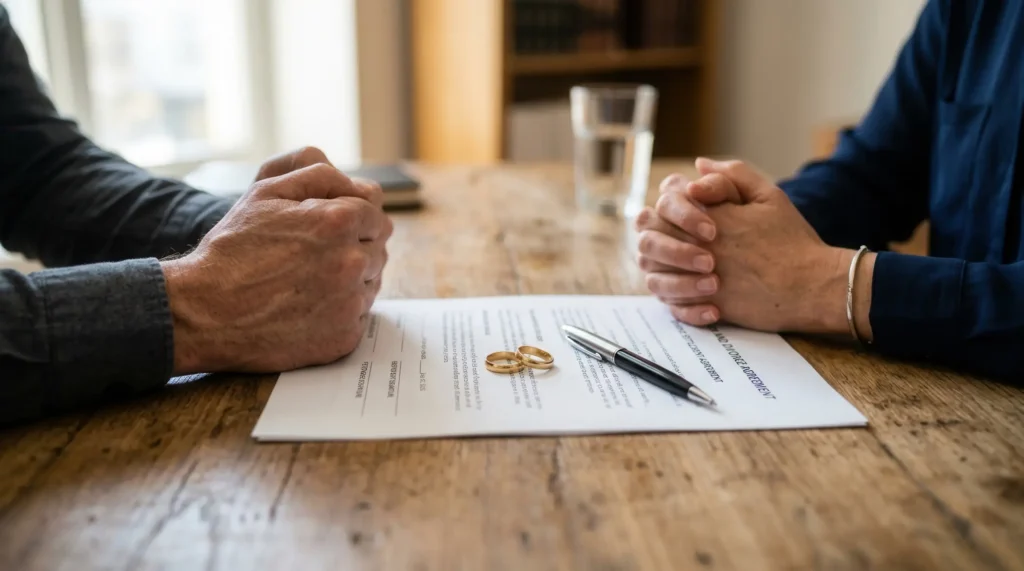
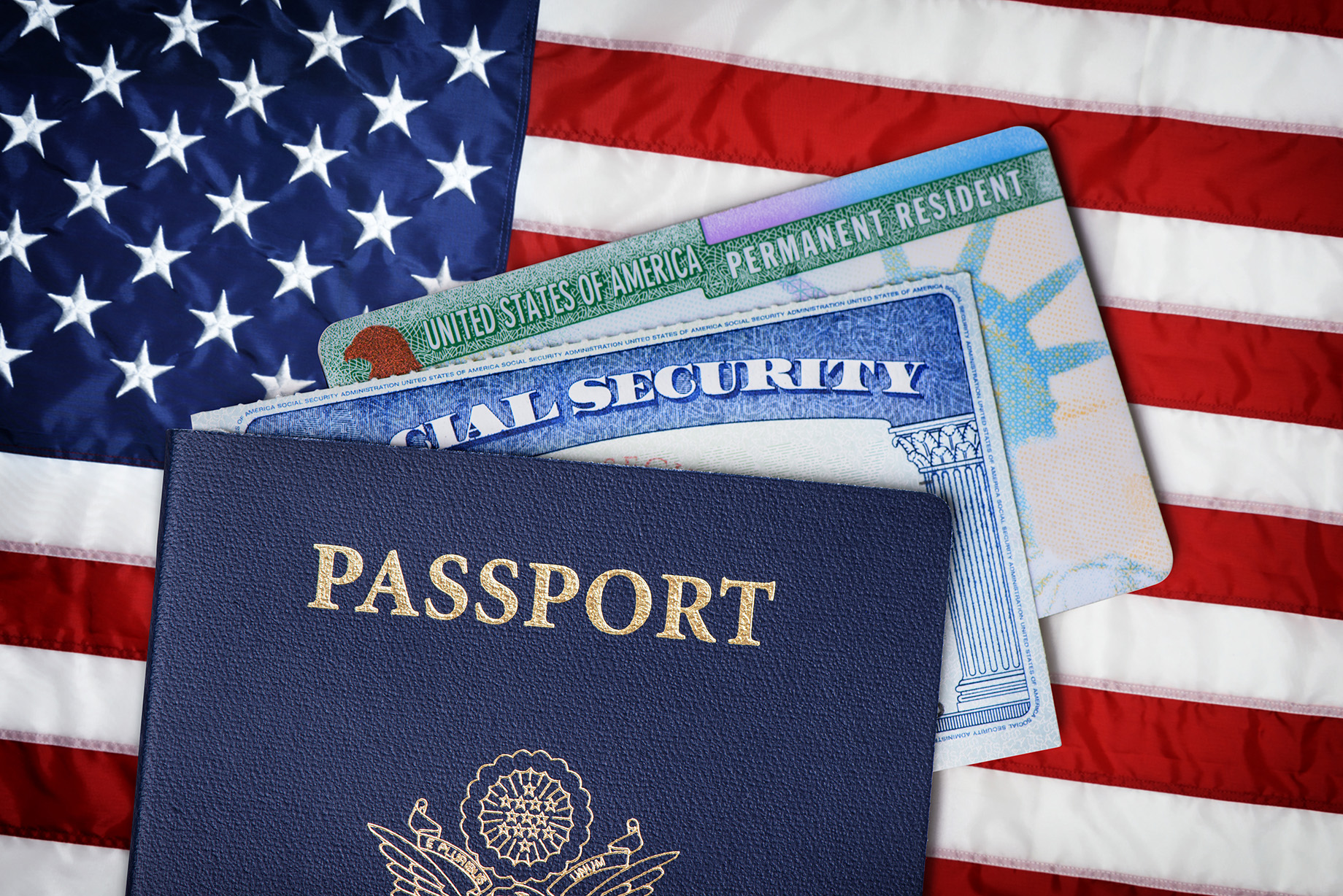
A green card and divorce can create deep uncertainty for immigrant spouses in the U.S. Many people worry that once a marriage ends, their green card, permanent residency, or overall immigration status will automatically disappear. In reality, the outcome depends on several factors, including timing and whether the marriage was entered into in good faith.
For some individuals, divorce has little effect on their permanent resident status. For others, especially a conditional green card holder, someone whose marriage lasted less than two years, or a spouse on H-4 dependent status, the legal and immigration consequences can be serious if not handled strategically.
If you are concerned about how divorce may affect your green card or immigration status, it is critical to seek legal guidance from an experienced divorce lawyer. This article will dispel some myths and point you in the right direction for the next steps.
Note: Pursuit Family Law does not provide immigration representation, but works closely with immigration attorneys when necessary.
Does Divorce Automatically Cancel a Green Card in a Green Card Divorce?
The short answer is no: Divorce does not automatically cancel a permanent green card.
If you are a lawful permanent resident with a standard ten-year permanent resident card, your permanent residence generally remains valid even after the marriage ends. Immigration authorities do not revoke permanent residency simply because of divorce, unless there are allegations of immigration fraud or the marriage was not bona fide.
However, a green card divorce affects conditional permanent residents differently.
If you received a conditional green card based on a marriage that was less than two years old at the time of approval, your status is temporary and subject to additional requirements. Failure to properly remove conditions can place your status at risk.
Potential risk factors include:
- Marriage lasted less than two years
- Failure to file to remove conditions
- A pending green card application process
- Inconsistent statements about marital status
- Allegations that the marriage was not entered into in good faith
One other thing to remember is that Washington family law and federal immigration laws operate in separate systems. Family courts decide divorce, while U.S. Citizenship and Immigration Services (USCIS) determine immigration benefits. However, the timing of divorce proceedings, the documentation you preserve, and the way your marital history is presented can directly affect your case.
Overall, avoiding the following common errors can make the difference between protecting and jeopardizing your status:
- Simply file for divorce without immigration consultation
- Missing the two-year deadline to remove conditions
- Failing to gather joint financial records
- Making inconsistent statements in divorce and immigration filings
- Assuming permanent resident status cannot be challenged
What Happens If You Divorce Before the Two-Year Anniversary?
If divorce occurs before the two-year mark, filing jointly may no longer be possible. A person who receives a marriage-based green card within the first two years of marriage becomes a conditional permanent resident. This means the individual holds conditional permanent residence for two years.
Most conditional residents must file a joint petition (Form I-751) with their spouse during the 90-day window before the two-year expiration date to remove conditions and obtain a full ten-year permanent green card. This joint filing requirement is part of the formal application process handled by immigration services.
Simply filing for divorce without considering the immigration consequences can create a failure to meet the joint filing requirement. The timing of divorce proceedings and immigration filings can affect one another. Because immigration deadlines are strict, it is important to consult with an immigration attorney in addition to your family practice counsel before making final decisions.
A Note of Caution: Green Cards and Citizenship
Divorce may affect your path to citizenship. Divorce does not eliminate eligibility for citizenship, but it can affect your naturalization timeline.
A lawful permanent resident married to a U.S. citizen may apply to obtain citizenship after three years of permanent residence if still married to the citizen spouse. If the marriage ends before naturalization, most cases require waiting five years instead of three.
What Constitutes “Good Faith” in a Marriage-Based Green Card Case?
In a marriage-based green card case, U.S. immigration authorities may evaluate whether the marriage was entered into in good faith (often called a bona fide marriage). This means the relationship was real and not entered into primarily to obtain an immigration benefit. When a couple divorces, this question can become especially important for conditional permanent residents who must remove conditions on their residence.
To support a good faith marriage, you may need to show a pattern of shared life and joint responsibility during the marriage. Helpful evidence often includes:
- Joint tax returns
- Joint bank accounts
- Lease or mortgage agreements
- Children born during the marriage
- Photos and affidavits
- Other joint financial records
In most cases, a final divorce decree is required before a waiver based on divorce can be approved. If you have only initiated divorce proceedings but they are not finalized, immigration services may issue a request for additional documentation. An immigration attorney can advise you on how this applies to this aspect of your case.
Inconsistent information between divorce filings and immigration submissions may trigger further scrutiny or even removal proceedings. Careful preparation from an experienced international divorce lawyer is essential.
How Does Divorce Affect H-1B and H-4 Visa Holders?
For visa holders facing divorce who are concerned about their green cards, your visa type (H-1B or H4) can affect your status in the U.S., but not all immigration status is tied to permanent residency.
H-1B status is employer-based, and an H-1B worker generally maintains lawful status even if a marriage ends.
H-4 dependent status, however, is directly tied to the H-1B spouse. If the marriage ends and the divorce becomes final, the H-4 spouse is legally no longer married, and dependent status may no longer progress.
Important considerations include:
- Whether the H-4 spouse has a work permit
- The official date the divorce is finalized
- Whether another immigration benefit is available
- Whether the individual has begun a separate green card application process
Divorce proceedings alone do not automatically terminate H-4 status. But once the final decree is entered, the dependent spouse’s immigration path based on that marriage typically ends.
What If There Was Abuse in the Marriage?
Immigration laws recognize that some marriages involve abuse and divorce is necessary.
A spouse of a U.S. citizen or lawful permanent resident who experienced battery or extreme cruelty may be eligible to self-petition under VAWA protections. This allows the abused spouse to pursue an immigration benefit without cooperation from the citizen spouse.
To qualify, the applicant must demonstrate a good faith marriage, evidence of extreme cruelty or abuse, and supporting documentation of the relationship.
These provisions exist so that abusers cannot use immigration status as leverage. As you can imagine, handling these cases with care is especially important.
VAWA petitions are handled through federal immigration proceedings and require separate legal representation.
Can Divorce Trigger Removal Proceedings?
No, divorce itself does not automatically trigger removal proceedings. However, risks arise if:
- A conditional status expires without filing Form I-751
- There is a failure to comply with immigration deadlines
- Immigration authorities suspect immigration fraud
- The marriage was not bona fide
In some cases, immigration authorities may review whether the marriage green card was based on a genuine relationship. Consistency in your statements across divorce and immigration filings is critical.
Work With Pursuit Family Law on Your Green Card Divorce Strategy
Schedule a Confidential Consultation to Assess Your Case
At Pursuit Family Law, our divorce lawyers understand that green cards and divorces are not just legal issues. They can determine whether you remain in the United States, affect your career, and risk your family’s stability.
Our firm represents immigrant spouses throughout Washington who are concerned about protecting their immigration status. We approach every case with deep legal expertise and cultural sensitivity, navigating Washington family law and federal immigration systems that intersect in complex ways.
Contact Pursuit Family Law today to schedule a confidential consultation to evaluate your immigration and family law needs and determine the best path forward.